
Roger Williams University Graduate Applies Her Science Foundation to Exotic Animal Care
Drawing on her RWU science foundation and three years of experience at the Bronx Zoo, Victoria “Tori” Stephenson ’18 now provides specialized veterinary care for birds, reptiles, and other exotic pets in New York.
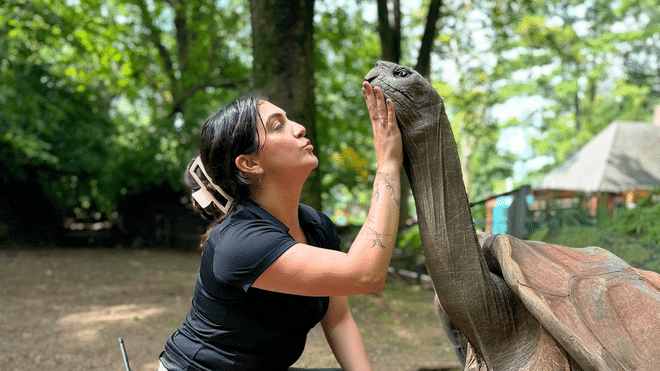
BRISTOL, R.I. – For Victoria “Tori” Stephenson ’18, a career caring for animals has taken her from veterinary clinics to the Bronx Zoo and back again, shaped by persistence, an unconventional academic journey, and a determination to make a difference in every animal’s life.
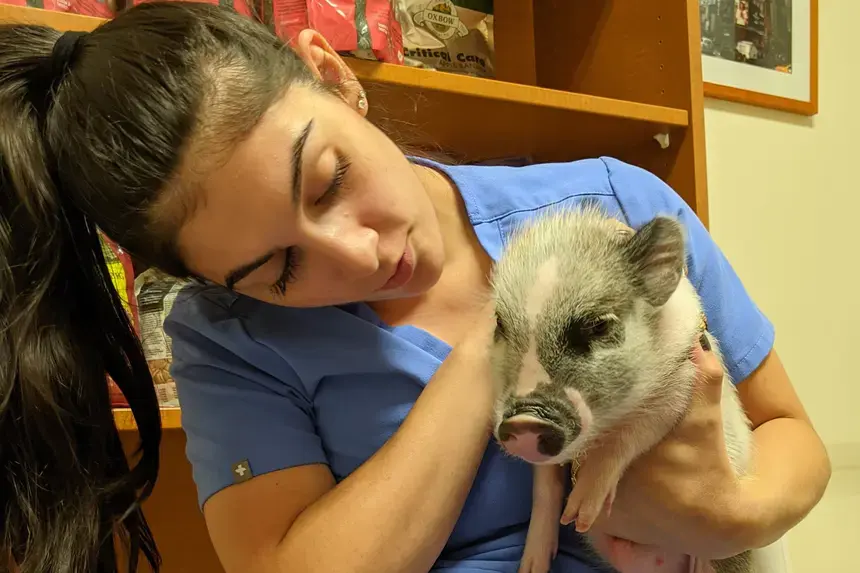
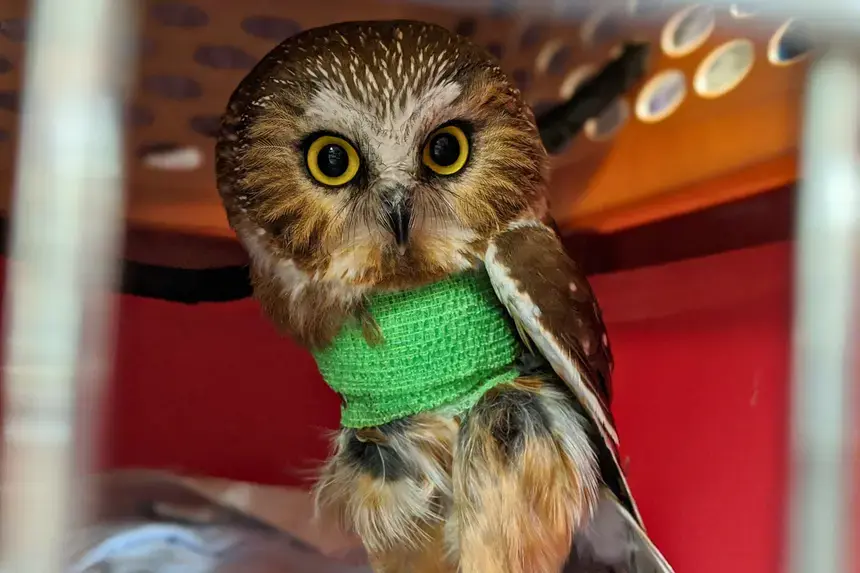
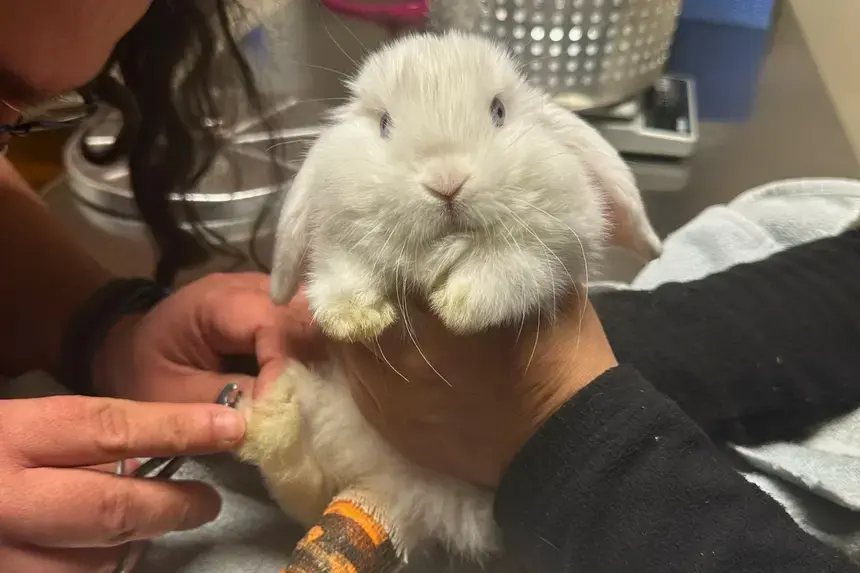
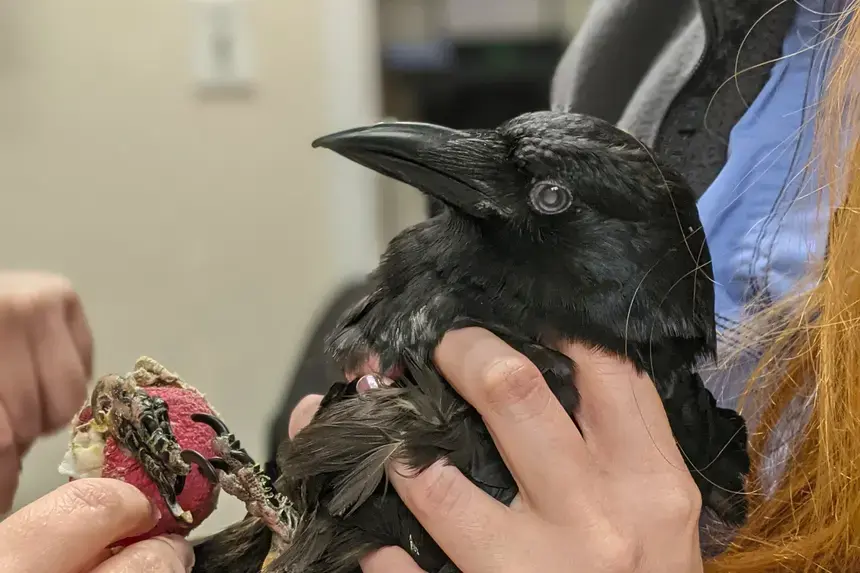
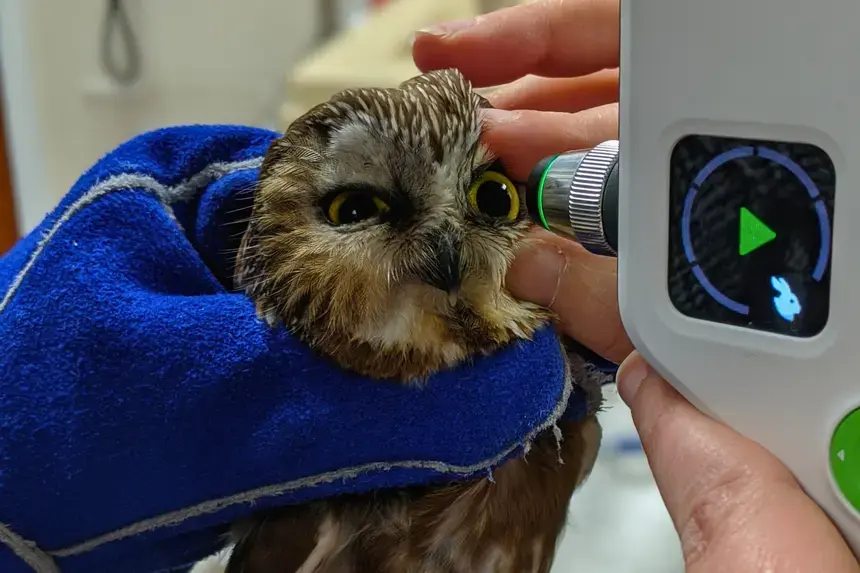
Today, the Roger Williams University graduate works full time as a Veterinary Assistant at the Veterinary Center for Birds & Exotics in New York, helping provide specialized care for birds, rabbits, guinea pigs, reptiles, and other exotic pets. Her responsibilities range from gathering medical histories and assisting with examinations and treatments to administering medications and supporting emergency care.
“At the veterinary clinic, I work more directly on the medical side, taking histories, assisting with exams and procedures, giving medications, and helping with emergencies,” Stephenson said.
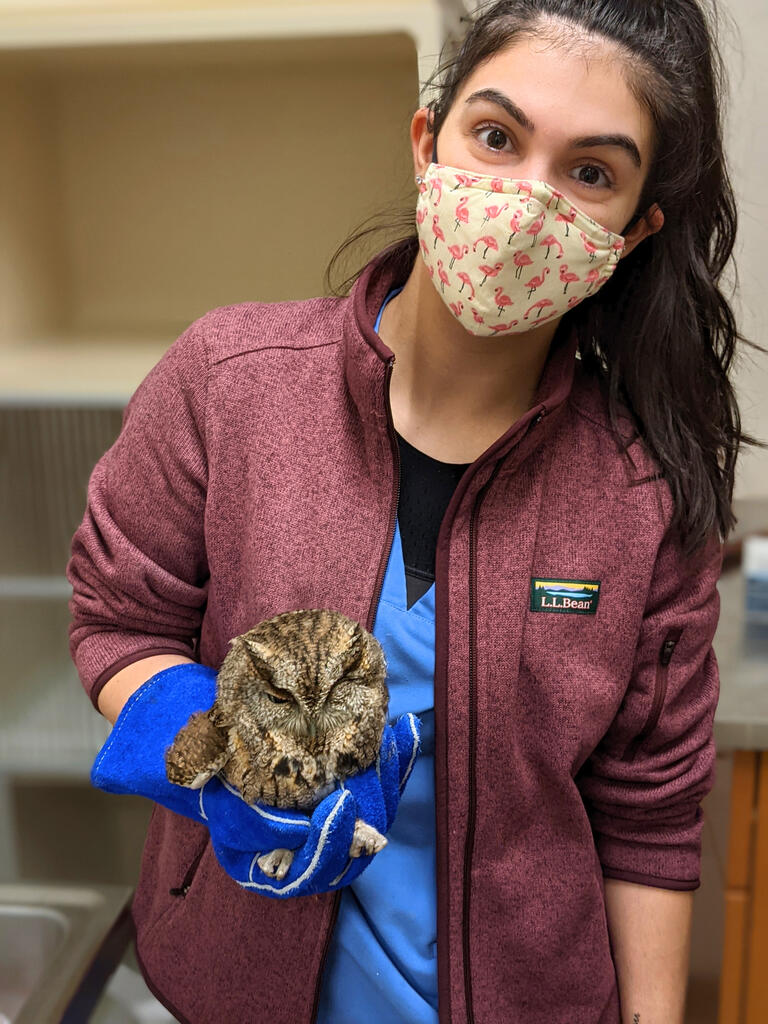
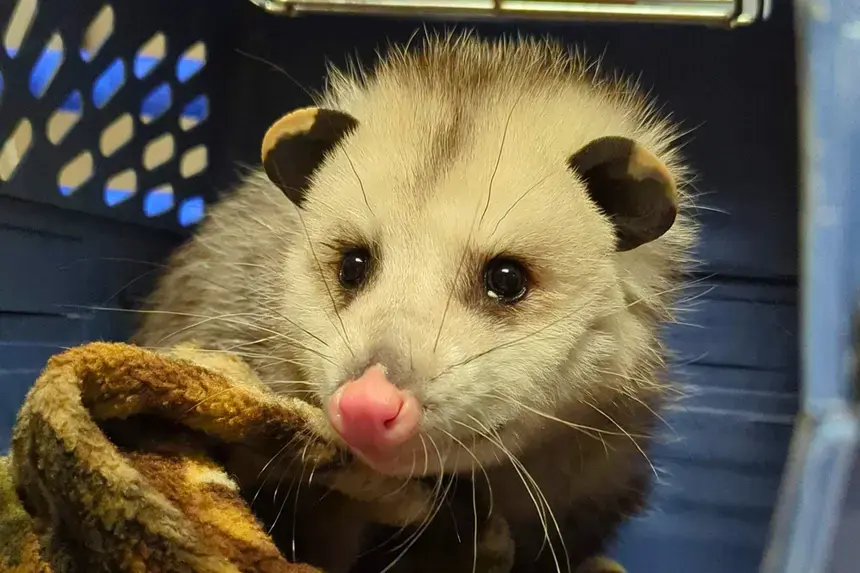
Her return to private veterinary practice follows three years as a Hospital Assistant with the Wildlife Conservation Society (WCS) Wildlife Health Center at the Bronx Zoo, where she helped care for animals ranging from bats and bison to snow leopards and confiscated turtles. Although she valued her experience in zoological health, Stephenson missed working directly with pet owners and helping nurse their animals back to health.
Her path began at RWU, where Stephenson came to study Marine Biology, drawn to the university’s coastal campus and the chance to pursue her longtime interest in animals.
The route was not always straightforward. As she worked through the Marine Biology curriculum, Stephenson faced academic challenges and received accommodations through Student Accessibility Services, including extended time and a quieter testing environment, support she said was helpful. In her senior year, she combined her science coursework with her Theatre Arts minor to complete an individualized Bachelor of Arts in Biological Sciences and Theatre Arts.
A Career in Zoological Health
Stephenson’s career grew out of years of persistence.
After graduating from RWU, Stephenson moved to New York for a paid externship with World of Birds at the Bronx Zoo. The experience helped her get her foot in the door, but it did not immediately lead to a full-time position. Drawing on veterinary medicine experience that began when she was 16, Stephenson took a position at an exotic veterinary clinic and continued applying for roles at the zoo.
For six years, she kept trying.
“I moved to New York without knowing anyone and started to build everything from the ground up,” Stephenson said. “I got the Bronx Zoo internship on my own, kept applying for six years, and eventually made it. I was discouraged at times and thought it was never going to happen, but persistence and determination really do say it all. Be the squeaky wheel and keep trying.”
That determination is exactly what Professor of Biology Paul Webb remembers.
Webb, who served as Stephenson’s faculty advisor and taught her in several courses, said she was not the kind of student whose path always looked easy. She struggled with some of the requirements of the Marine Biology curriculum, he said, and they had conversations about whether she should continue as a science major. But she was determined to stay connected to the kind of work she wanted to do. In her senior year, Webb helped Stephenson navigate an individualized academic path that allowed her to complete her degree while staying rooted in animal biology.
“She knew the kind of career she wanted, and even though it was an uphill battle at times, she had the personality and tenacity to see it through. She had a genuine interest in marine biology and a curiosity about marine life. So I’m not surprised that she found her niche in the zoology field.”
For Stephenson, working with animals was always the goal. When she first came to RWU, she imagined a future connected to animals like dolphins or parrots. She was less interested in a strictly research-based career and more drawn to hands-on work involving animal behavior, care, and training.
Caring for Animals Across Species
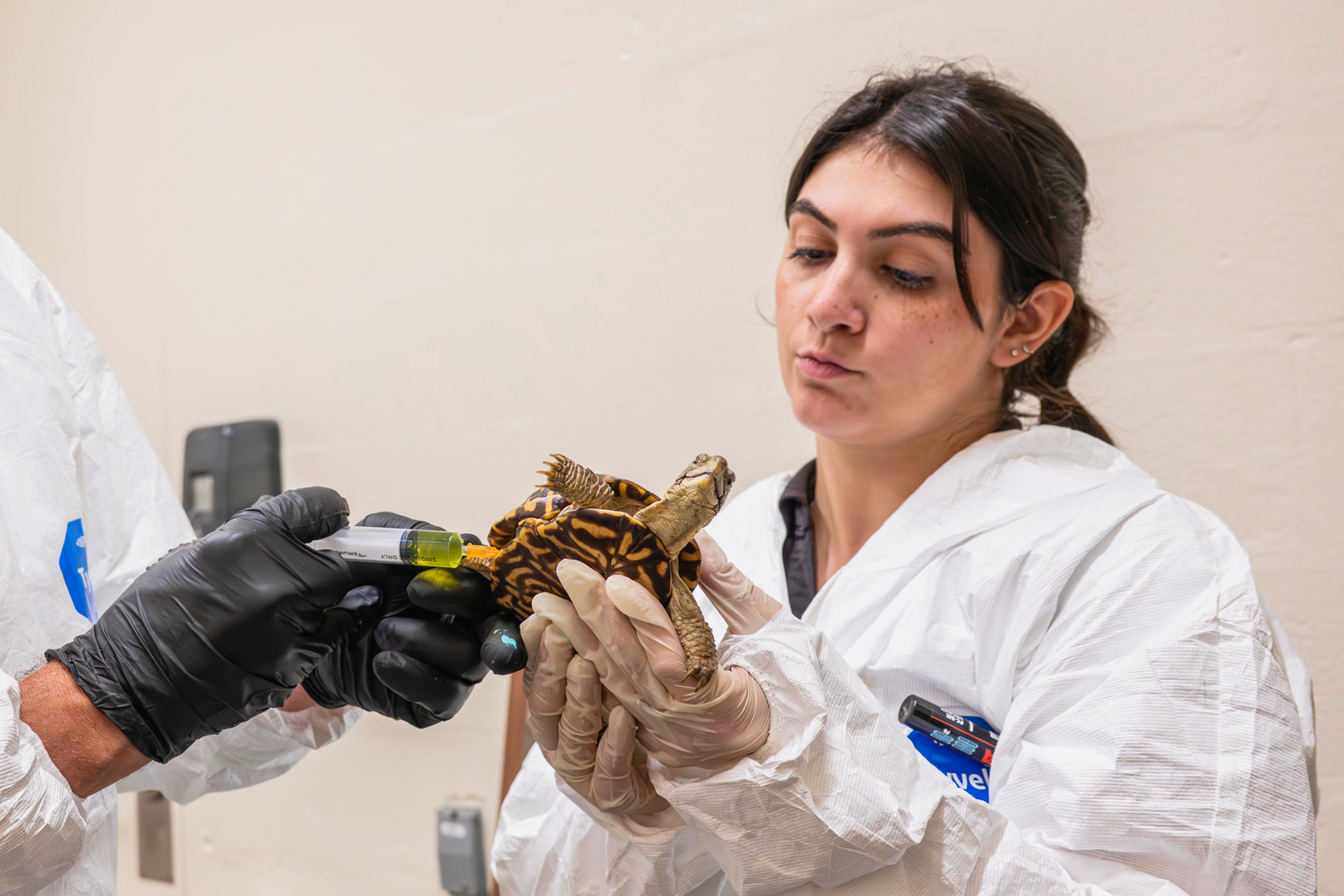
At the Bronx Zoo, that hands-on work was intensive. Stephenson helped hand-rear bats, deer, and a bison. The process began with teaching young animals to feed and continued through months of monitoring, formula preparation, medical care, and gradual weaning.
“Hand-rearing is literally like raising a tiny human for several months,” Stephenson said. “You have to get the baby on a bottle, make sure it can urinate and defecate, monitor its weight and temperature, prepare formula, and slowly wean it until it can go back where it belongs and learn to be the animal it is.”
The work required patience, precision, communication, problem-solving, and the ability to adapt across species. Those habits, Stephenson said, are connected to the scientific foundation she built at RWU, including courses that emphasized animal behavior, mammalogy, conservation, invertebrates, ecosystems, and the relationships between humans, animals, and habitats.
“My classes helped me see how everything is connected – ecosystems, habitats, animals, and humans. Even classes I was not particularly interested in helped me connect the pieces and understand how much goes into the animal world and why conservation matters.”
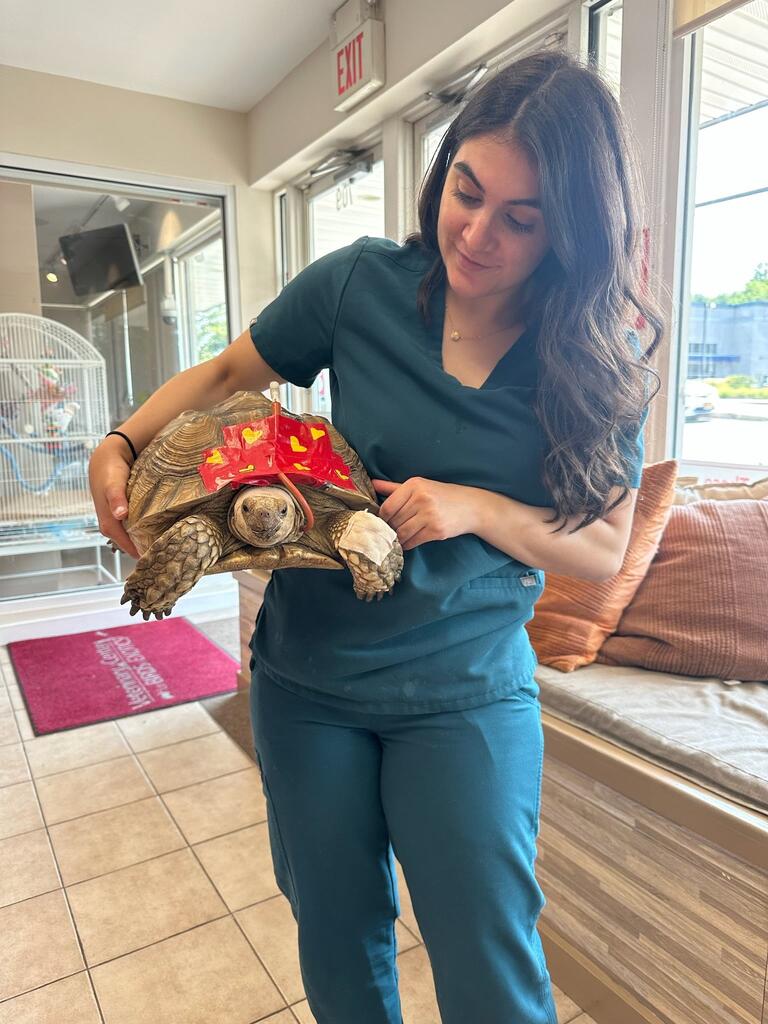
That broader view became especially important in her work with confiscated turtles. Stephenson said WCS works closely with the U.S. Fish and Wildlife Service on cases involving turtles and other animals confiscated because of illegal wildlife trade, improper ownership, or transportation. Sometimes, she said, the zoo had time to prepare. Other times, a call came in and hundreds of turtles could arrive within hours.
Once the animals arrived, the work began quickly. Staff assessed their condition, provided appropriate husbandry, tested for disease or parasites, and determined the next steps for their care. At one point, Stephenson said, the zoo was caring for hundreds of confiscated turtles.
“To some people, it’s just a turtle,” Stephenson said. “But there are many species of turtles and real issues around where they come from, how they are kept, disease spread, and what happens when they are removed from their habitats. The illegal pet trade is still very prominent, and people do not always think about reptiles as part of that problem.”
How Biology Coursework Prepared Her for Animal Care
For Webb, Stephenson’s career reflects the versatility of a strong biology foundation.
“Marine biology is just a specialized version of biology,” Webb said. “By completing the major, our students are well-positioned for careers in most areas of biology.”
Although Stephenson completed an individualized degree, Webb said her background in animal biology, organismal biology, and marine science prepared her for the cross-species thinking her career requires. Courses such as Marine Vertebrate Zoology, Animal Physiology, Herpetology, Marine Mammalogy, and Animal Behavior teach students how animals function, behave, communicate, and interact with their environments, he said.
That range matters.
“Studying a wide range of species and habitats allows students to see patterns of similarities and differences across different organisms, and apply knowledge of one type of animal when encountering unfamiliar species,” Webb said.
Stephenson said RWU’s coastal campus and biology-focused coursework helped ground her education. When she toured the university with her mother, she said, RWU felt like home. Growing up in Massachusetts, she had always considered herself “a water bug and a beach person,” and the ability to study near the water made RWU feel like a place where she wanted to learn.
A Nontraditional Path Built on Persistence
The experience was not always easy. Stephenson said she struggled academically in college, particularly with test-taking, and worked with Student Accessibility Services for accommodations such as extended time and a quieter testing environment. That support, along with guidance from Webb, helped her continue pursuing the science foundation she wanted, even as her path shifted from Marine Biology to an individualized major in Biological Sciences and Theatre Arts.
But that, too, became part of the lesson she now wants current students to hear.
“Just because something is hard does not mean you have to stop. I struggled academically, but that did not mean I had to give up on what I wanted to do. If it is truly what you want, keep pushing, advocate for yourself, ask questions, and you will land where you are supposed to land.”
That message resonated with Webb, who said Stephenson’s path is a strong example for current students who may not see themselves as the highest-achieving student in the room but still have the passion and determination to succeed.
“You don’t have to be the straight-A, dean’s list, research student to be able to succeed in a biological career,” Webb said.
After caring for animals ranging from bison and snow leopards to bats, deer, birds, reptiles, and rare species of mice, Stephenson said she is still learning and considering what may come next. She is interested in pursuing her Licensed Veterinary Technician credential and additional training or certification in animal behavior, including the possibility of graduate study in the field.
For now, the meaning comes from the daily impact of helping animals receive the care they need.
“Whether I am hand-rearing babies or caring for confiscated turtles, I know I made a difference in that animal’s life,” Stephenson said. “Sometimes making a difference is giving an animal the care and quality of life it never had.”