
Fishing for Science: Michael Natoli Tracks Mercury in Rhode Island Fish
The Environmental Science major transformed a lifelong passion for fishing into hands-on research examining how quickly mercury accumulates in stocked trout and wild fish at Upper Melville Pond.
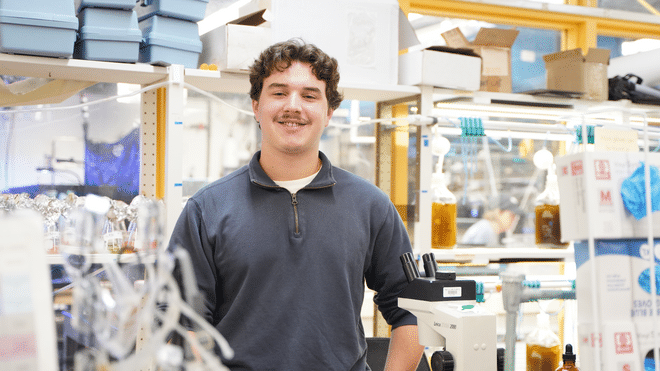
PORTSMOUTH, R.I. – Some of Michael Natoli’s earliest memories are of learning to fish with his father. Years later, the junior is still spending long days on the water — only now, the fish he catches are helping him answer questions about contaminants, food webs, and the health of aquatic ecosystems.
“Some of my first memories were of me learning to fish with my Dad,” said Natoli, an Environmental Science major and Marine Biology minor. “As I’ve gotten older, it’s been something I’ve grown obsessed with to the point where I now want a career in fisheries.”
This summer, Natoli worked with Professor of Biology David Taylor on “Mercury Contamination in Stocked Rainbow Trout Relative to Wild Species in Upper Melville Pond, Portsmouth, Rhode Island,” an eight-week study comparing mercury concentrations in recently stocked rainbow trout with resident bluegill and largemouth bass.
The comparison gave researchers an unusual opportunity. Rainbow trout are raised at the Lafayette Fish Hatchery in North Kingstown before being stocked by the Rhode Island Department of Environmental Management in freshwater systems around the state. By sampling fish before and after they entered Upper Melville Pond, researchers could examine how quickly the trout began reflecting the contaminant conditions of their new environment.
The answer: quickly.
Natoli said mercury concentrations in the stocked trout increased consistently over the eight-week study, demonstrating that measurable contaminant uptake can begin within weeks rather than requiring months or years.
“Although the trout entered Upper Melville Pond with relatively low mercury concentrations, the consistent increase observed throughout the study indicated that bioaccumulation began shortly after stocking as the fish incorporated local prey into their diet,” he said.
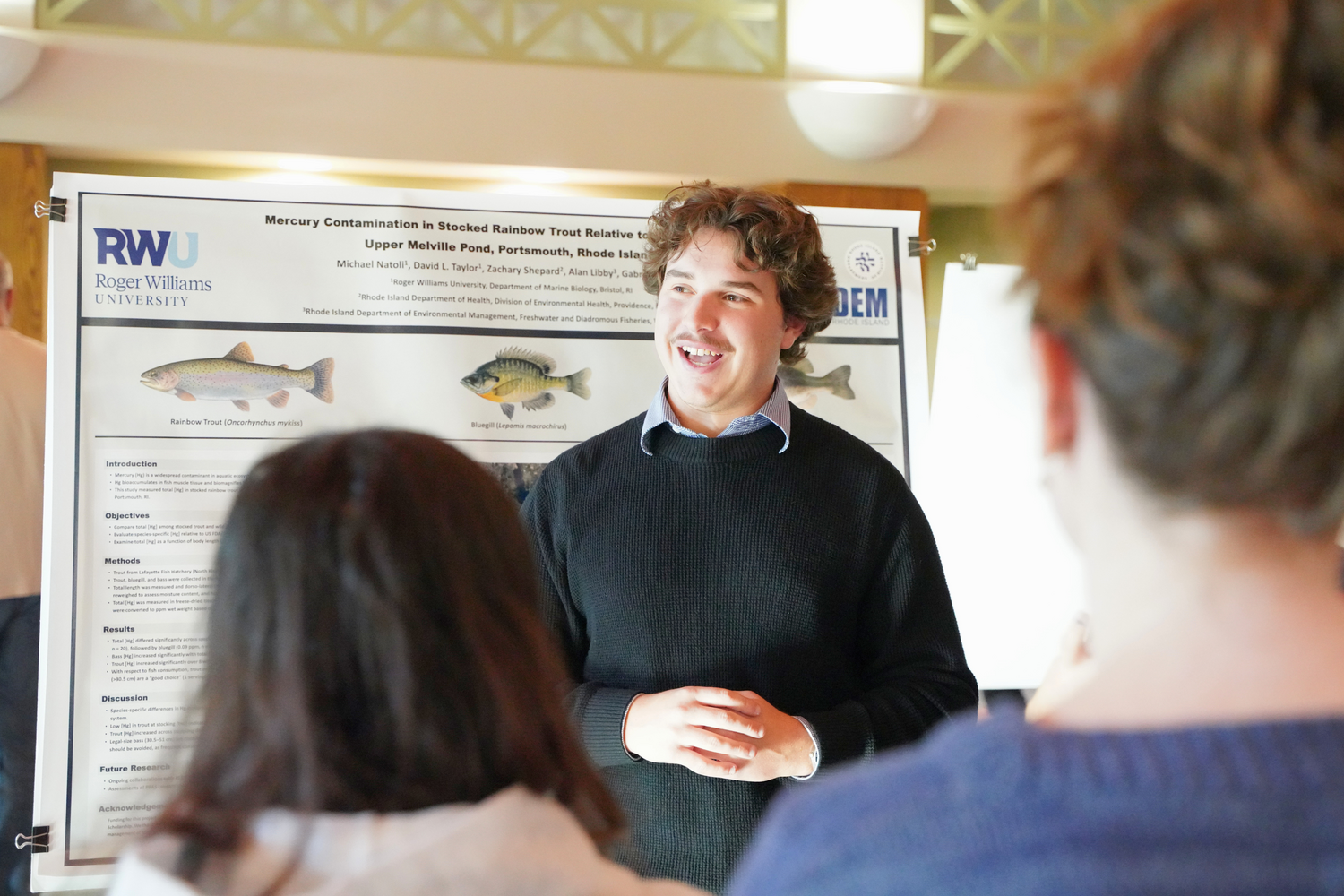
Following Mercury Through the Food Web
The differences among the three species provided an equally clear picture of how mercury can move through an ecosystem.
Rainbow trout had the lowest mercury concentrations, while bluegill showed intermediate levels. Largemouth bass, the top fish predator included in the study, contained the highest concentrations.
That pattern reflects biomagnification: as predators consume organisms that already contain mercury, the contaminant becomes increasingly concentrated farther up the food web.
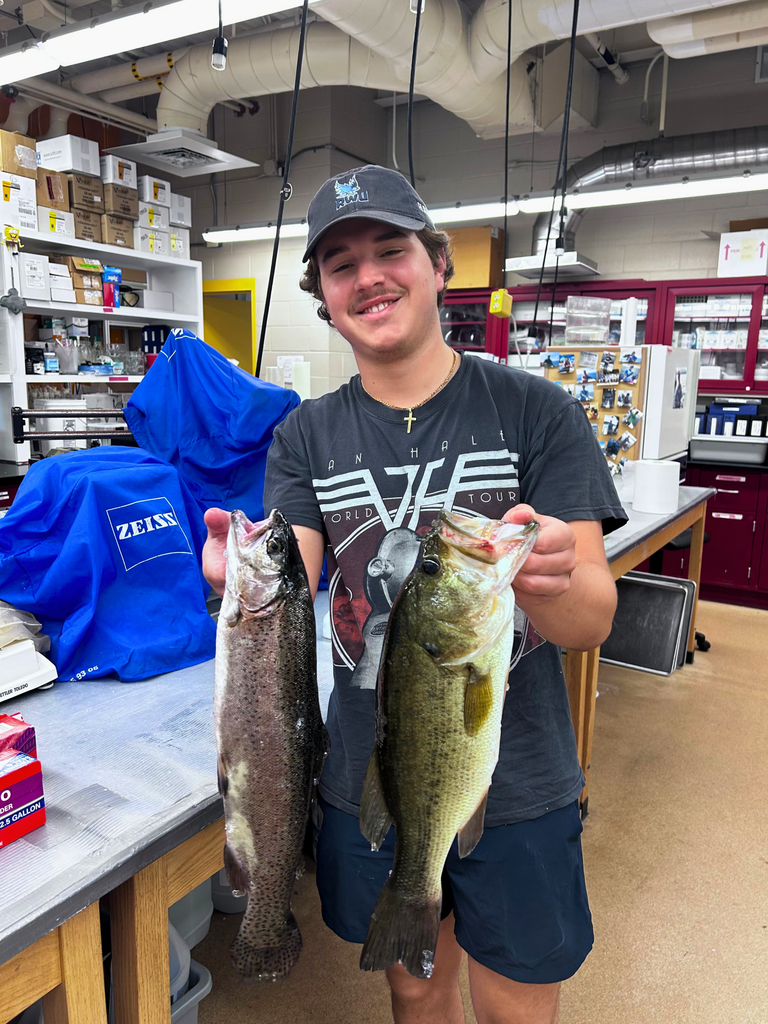
Natoli said the magnitude of the difference in largemouth bass was greater than he expected.
“The pronounced difference between bass and the other species provided a clear example of biomagnification and highlighted the strong influence of trophic position on mercury accumulation,” he said.
When the researchers compared the fish with Environmental Protection Agency consumption guidance used in the study, rainbow trout and bluegill remained within the three-servings-per-week category. Most legally harvestable largemouth bass fell into the one-serving-per-week category, while the team’s model projected that bass around 50 centimeters could reach the “avoid” category.
But size did not tell the whole story.
Natoli found considerable variation among individual fish of similar lengths. Older or larger fish often have had more time to accumulate mercury, but diet, feeding behavior, age, and position in the food web also influence how much contamination an individual fish carries.
“Examining fish on an individual basis illustrated to us that bioaccumulation is shaped by multiple ecological processes operating simultaneously,” he said, “making it difficult to predict mercury concentrations from size alone.”
From the Pond to the Lab
Natoli’s work extended through nearly every stage of the research process.
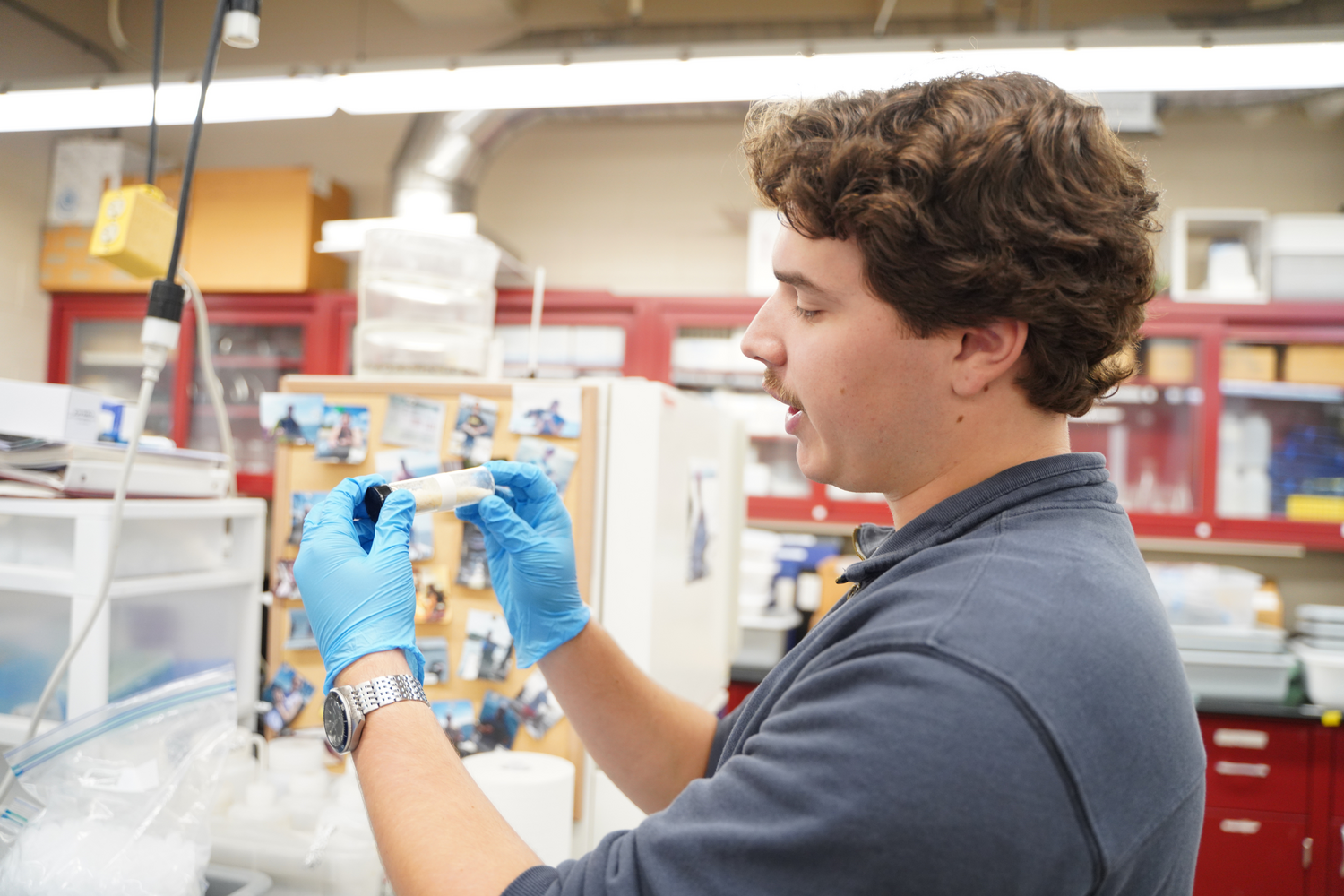
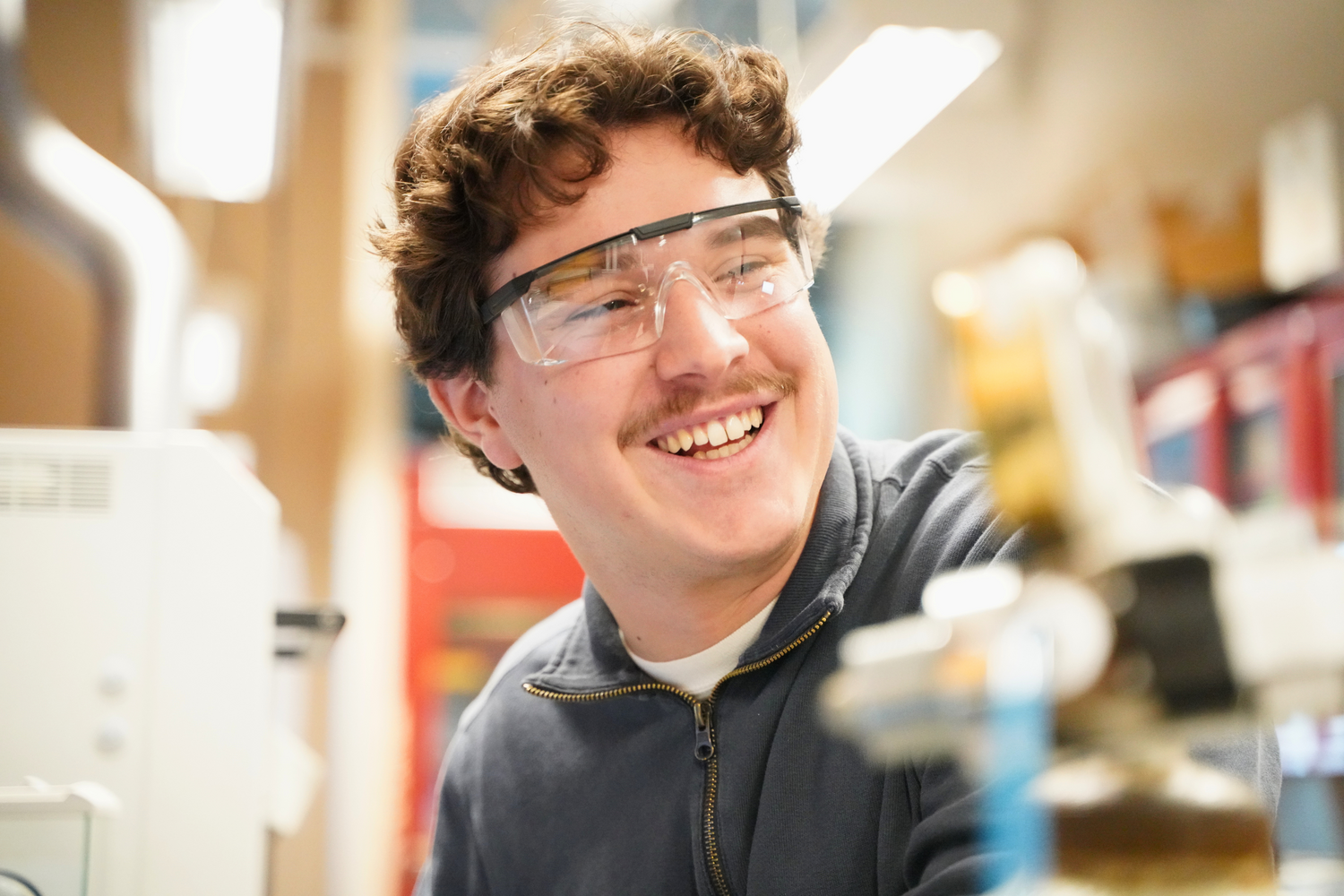
He helped collect fish from Upper Melville Pond, prepare and store specimens, take measurements, remove muscle tissue, determine moisture content, homogenize samples, and operate a direct mercury analyzer before helping interpret the resulting data.
The laboratory portion gave him the strongest sense of ownership, he said, because he was responsible for preparing and tracking many of the samples that ultimately produced the study’s results.
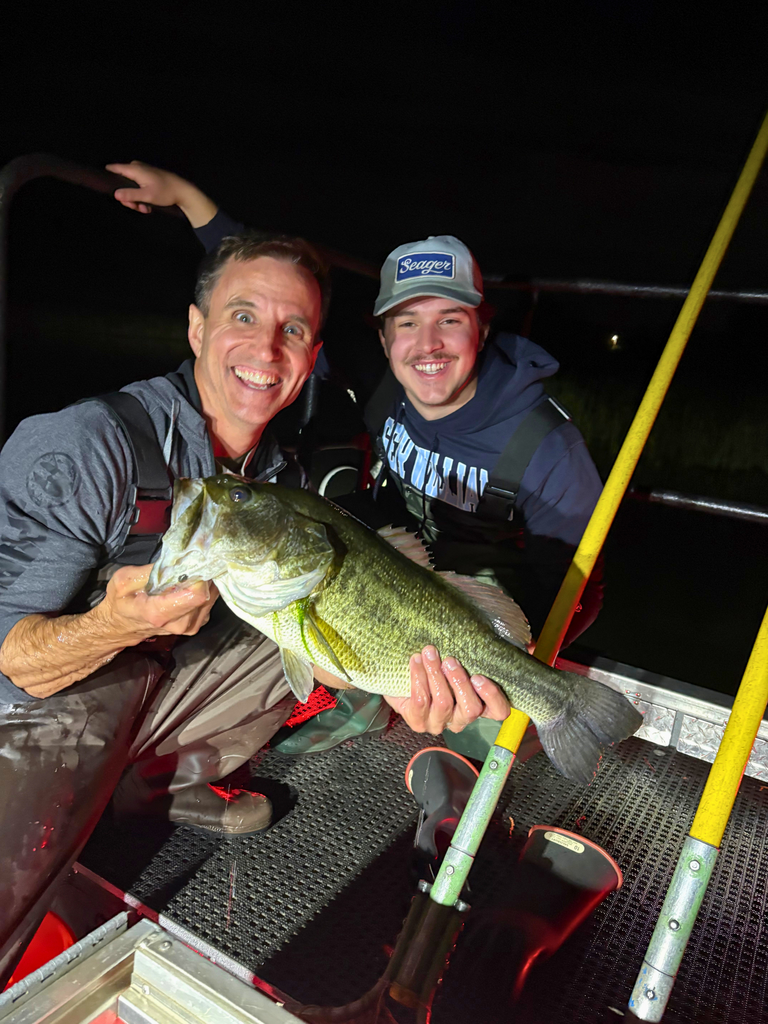
That full research cycle — fieldwork, laboratory analysis, data interpretation, and collaboration with state partners — grew naturally from an interest Natoli had long before entering college.
He grew up fishing and hunting in Connecticut and said being near the water was one reason he chose RWU. Once on campus, he sought out Taylor, a fisheries biologist, and began working in his lab processing fish for a broader Narragansett Bay mercury study. That experience eventually led to the Upper Melville Pond project, conducted in collaboration with the Rhode Island Department of Health and DEM.
The result was what Natoli jokingly described at the Summer Research Showcase as spending the summer “fishing for science.”
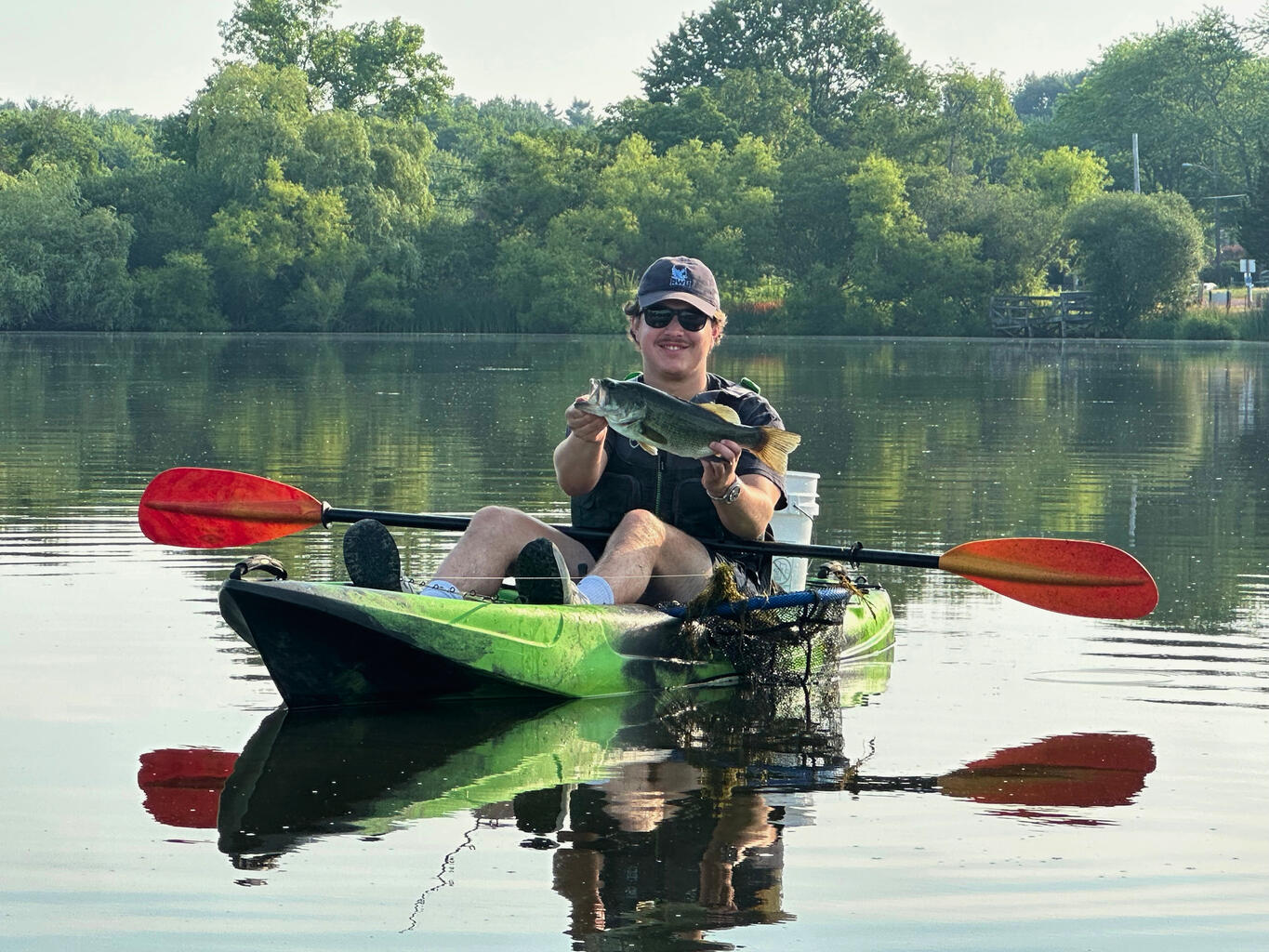
Turning a lifelong pastime into scientific inquiry has changed what he notices every time he gets back on the water.
“When I’m on the water now, I still enjoy fishing the same way I always have, but I also find myself thinking about the biology and the science behind what I’m seeing,” he said. “How contaminants move through a food web, why certain species behave the way they do, and how the health of a system shows up in the fish people actually catch is something that has fascinated me over the course of this project.”
“It hasn’t taken away from the fun of fishing at all,” he added, “but it’s added a layer of appreciation and curiosity.”
Looking Beyond Mercury
The work at Upper Melville Pond is continuing beyond mercury. Researchers are also examining PFAS in stocked trout and resident wild fish, asking whether newly introduced trout accumulate PFAS as rapidly as they accumulated mercury and how their concentrations compare with fish that have spent their lives in the pond.
Natoli said pairing the two contaminant studies could ultimately provide state agencies with a more complete picture of what recreational anglers may encounter.
“I hope work like this helps inform fish consumption advisories, guides future monitoring efforts, and gives the public confidence that these systems are being studied carefully so they can make informed decisions about what they’re catching and eating."
For Natoli, the experience has also provided a clearer picture of his own future.
Presenting the research, working with environmental professionals, troubleshooting laboratory problems, and handling data with implications beyond the university have helped transform an interest in fisheries into professional preparation.
“This project showed me what environmental research actually looks like from start to finish,” Natoli said. “Having that level of responsibility as an undergraduate has made me feel much more prepared for a career in environmental science after graduation.”