
RWU Students Lead the Way in Undergraduate Research and Discovery
At the 2025 Summer Research Showcase, students from across disciplines presented their findings on topics ranging from marine conservation to advanced materials science.
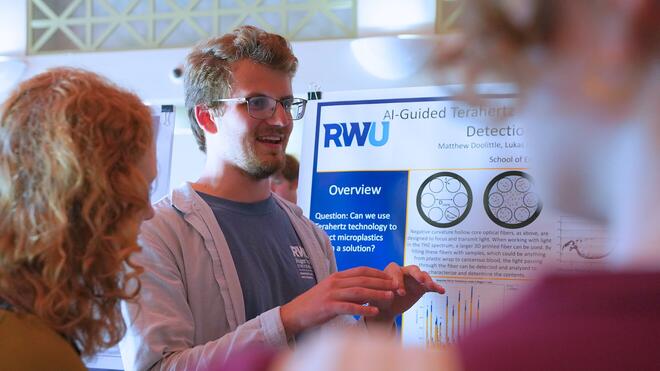
BRISTOL, R.I. – From developing probiotic treatments to protect oyster populations to exploring coral resilience and advancing electronic systems, Roger Williams University students shared their scientific discoveries during the annual Summer Research Showcase, held on Oct. 1 in the Marine and Natural Sciences building.
Co-sponsored by the Feinstein School of Social and Natural Sciences, the School of Engineering, Computing, and Construction Management, the Center for Economic and Environmental Development, and the Office of Research and Sponsored Programs, the event featured lightning talks followed by poster sessions where 17 student researchers presented their projects to the RWU community.
In opening remarks, Adjunct Professor of Biology and Rhode Island NSF EPSCoR Undergraduate Research Coordinator Jim Lemire emphasized RWU’s commitment to hands-on discovery. “At Roger Williams University, we believe the best learning happens when students are engaged in discovery,” he said. “Our undergraduate research programs allow students to pose important questions, test their ideas, and share their findings in professional settings – experiences that prepare them to make an impact beyond campus.”
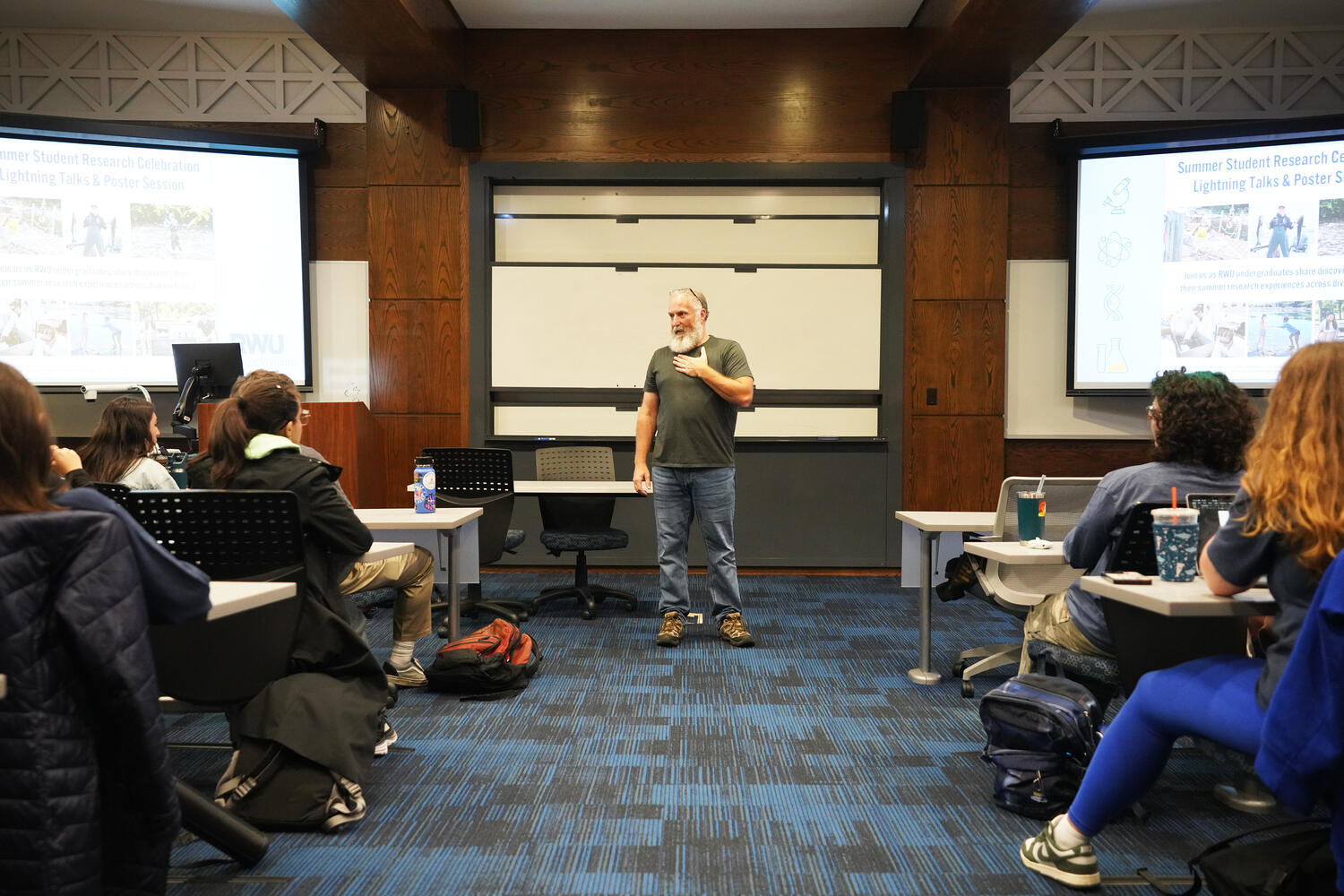
Professor of Biology Brian Wysor underscored the educational value of the Showcase’s dual-format structure. “The Summer Research Showcase provides students the opportunity to share their work in multiple formats, from the concise storytelling of lightning talks to the more detailed conversations of poster sessions,” he said. “Learning to package their science in these different ways challenges them to think strategically about their research and how to connect with varied audiences, a skill that will continue to serve them well as they grow as scientists and scholars.”
With projects spanning Biology, Chemistry, Environmental Science, Engineering, and more, this year’s showcase reflected RWU’s dedication to offering powerful combinations of academic disciplines and real-world research that encourages curiosity, collaboration, and exploration.
Below are just a few of the many projects that highlight how RWU students are shaping the future of scientific research:
Harnessing Bacteria to Protect Oyster Populations
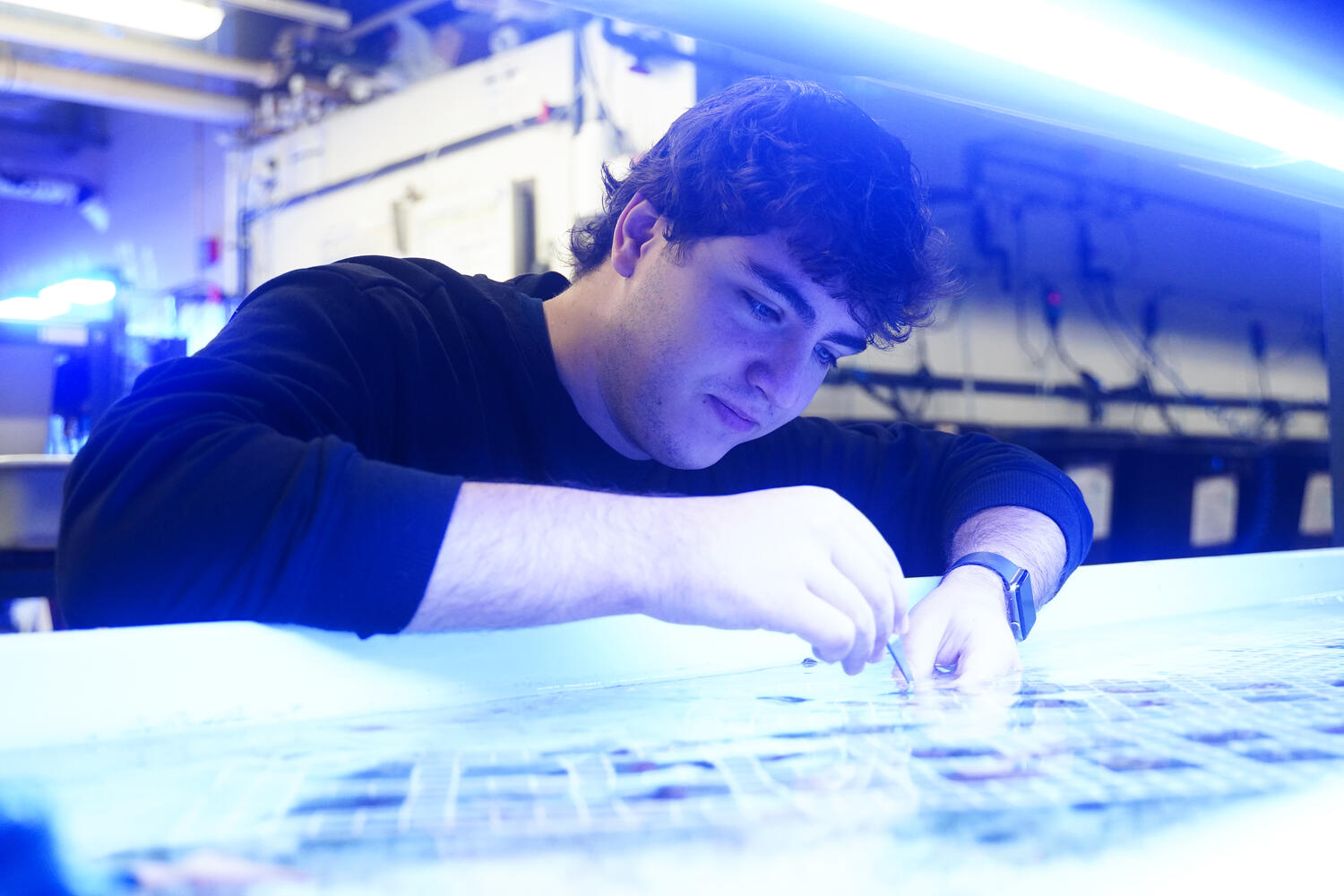
In the RWU Wet Lab, senior Marine Biology major Brayden Fracassa grows a vivid pink algae with an even more remarkable secret. Living on the surface of this locally occurring crustose coralline algae is a bacterium called Pseudoalteromonas rubra that produces compounds with powerful antimicrobial properties. Through his research, Fracassa discovered that this bacterium can inhibit Vibrio coralliilyticus, a pathogen known to devastate oyster larvae and other marine organisms.
In controlled trials, his probiotic treatment increased oyster larvae survival by 99% when applied before exposure to the pathogen, and still showed measurable benefit when used after exposure. The findings point toward a potential breakthrough for the shellfish aquaculture industry, where disease outbreaks can decimate entire hatchery populations. Building on his initial experiments, Fracassa is now working to scale up his research from small six-well plates to larger hatchery systems, testing how dosage and timing influence survival rates in real-world conditions.
“This research feels immediately relevant – aquaculture is such an important part of the economy, especially here in Rhode Island, and diseases like Vibrio can wipe out entire hatcheries,” said Fracassa from Dover, N.H. “If we can develop this probiotic into something farmers can use to protect their larvae, that could make a real difference for sustainable aquaculture.”
In addition to its immediate applications, the project deepened Fracassa’s understanding of microbiology and the lab-based methods essential for tackling global environmental challenges. He plans to continue his studies in graduate school, exploring how microbial processes shape the health and resilience of marine ecosystems.
“This project has given me the hands-on microbiology experience I’ll need for graduate research,” Fracassa said. “Whether I’m studying coral reefs, eelgrass, or emerging pathogens driven by climate change, the skills I’ve gained in growing, isolating, and testing bacteria translate directly. It’s preparing me to tackle the next step in my career with confidence.”
Exploring Coral Resilience Through Biology and Engineering
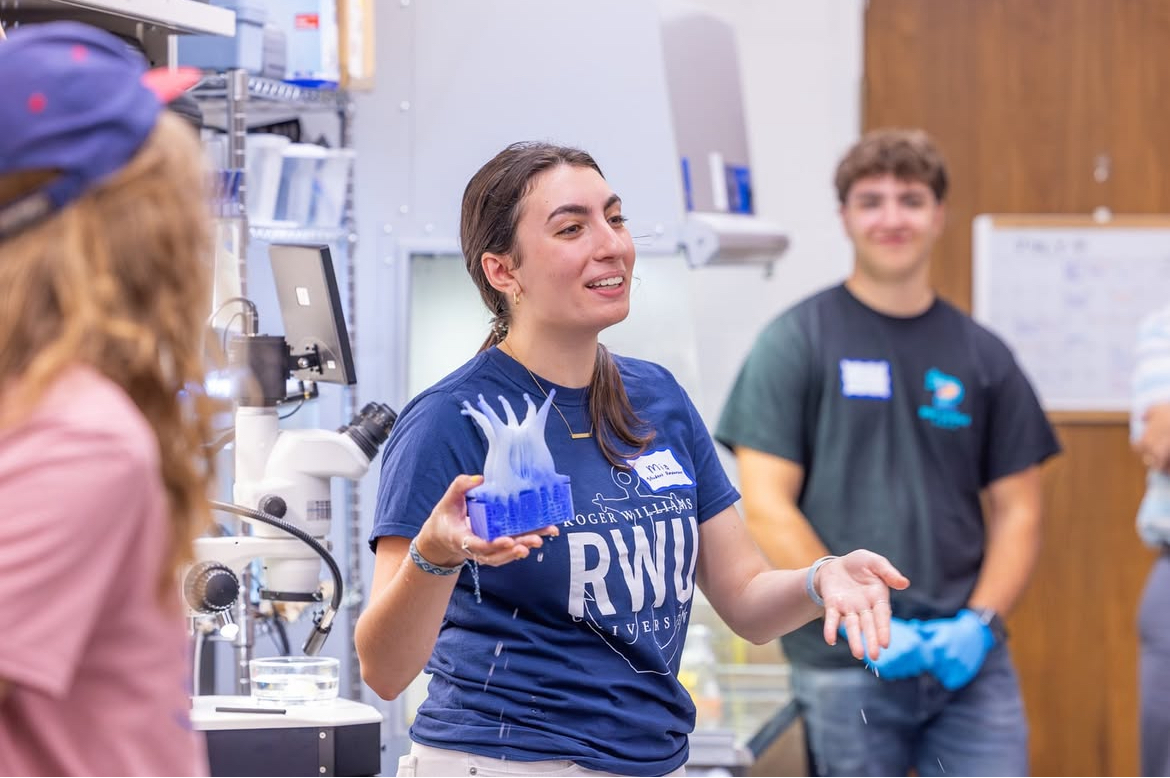
In the cooler waters off Rhode Island, the temperate coral Astrangia poculata quietly reveals clues about the future of tropical reefs. For junior Mia Sarris, a double major in Environmental Science and Environmental Engineering with a Mathematics minor from Skokie, Ill., this unassuming coral species has become a key to understanding how climate change affects coral resilience.
Sarris’s research focuses on Astrangia’s microbiome, the community of bacteria that live symbiotically with the coral and are essential to its health. Typically, Astrangia enters a hibernation period in the winter, during which its microbiome undergoes predictable changes. But in recent years, Rhode Island’s waters have failed to cool enough for this dormancy to occur. Sarris seized the opportunity to study what happens when this coral doesn’t hibernate. She found that in these “non-quiescent” years, the microbiome’s composition shifts in new and unexpected ways, potentially affecting the coral’s long-term stability and resistance to bleaching.
“This project sits at the intersection of science and engineering,” Sarris said. “Environmental science helps me understand the biological and ecological processes at play, while engineering gives me the tools to apply that knowledge – to design systems, analyze data, and develop methods that can help corals and other organisms adapt to changing conditions. It’s a powerful combination that opens the door to real-world solutions.”
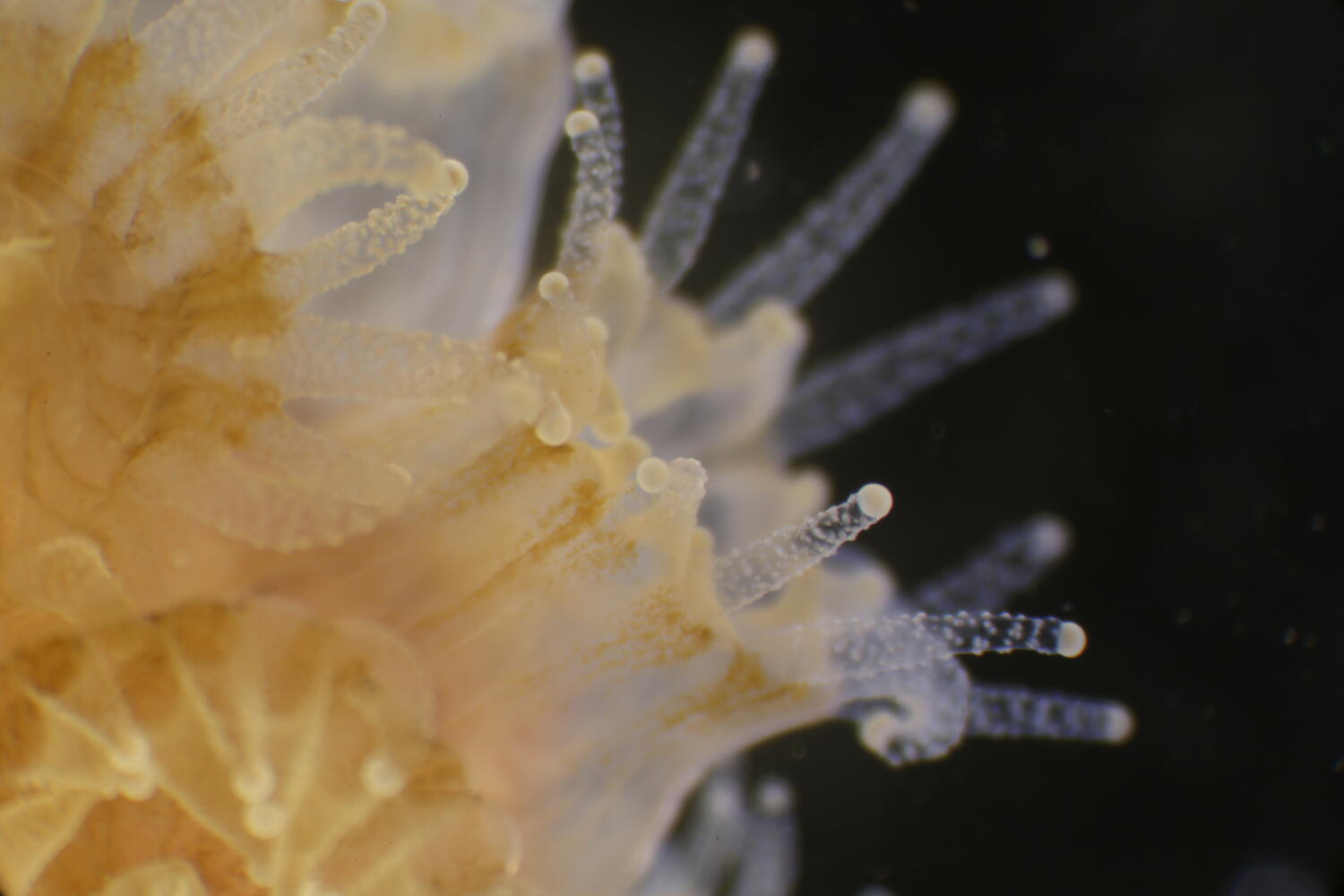
This summer, Sarris continued her work as a Rhode Island NSF EPSCoR Fellow, expanding her dataset and collaborating with professors and researchers from institutions across the country. Using molecular and analytical techniques, she analyzed coral samples collected over several seasons, contributing to a broader understanding of how climate-driven changes affect marine ecosystems.
Over the past year, Sarris has learned to extract DNA, amplify genetic material through a polymerase chain reaction (PCR), and code in R to interpret complex data sets – transferrable skills that have taken her from the RWU lab to national stages. She will present her findings at the National Collegiate Honors Council Conference in San Diego this November and at the Society for Integrative and Comparative Biology’s international conference in Portland, Ore., in January.
“The faculty here at RWU have been so supportive, I honestly don’t know what I’d do without them,” Sarris said. “I’ve always been curious about a lot of different things, and they’ve really encouraged me to explore that. Their guidance has given me the confidence to take my work beyond campus, and it feels amazing to be stepping onto a bigger stage to share my research.”
Observing Whales to Advance Conservation and Public Awareness
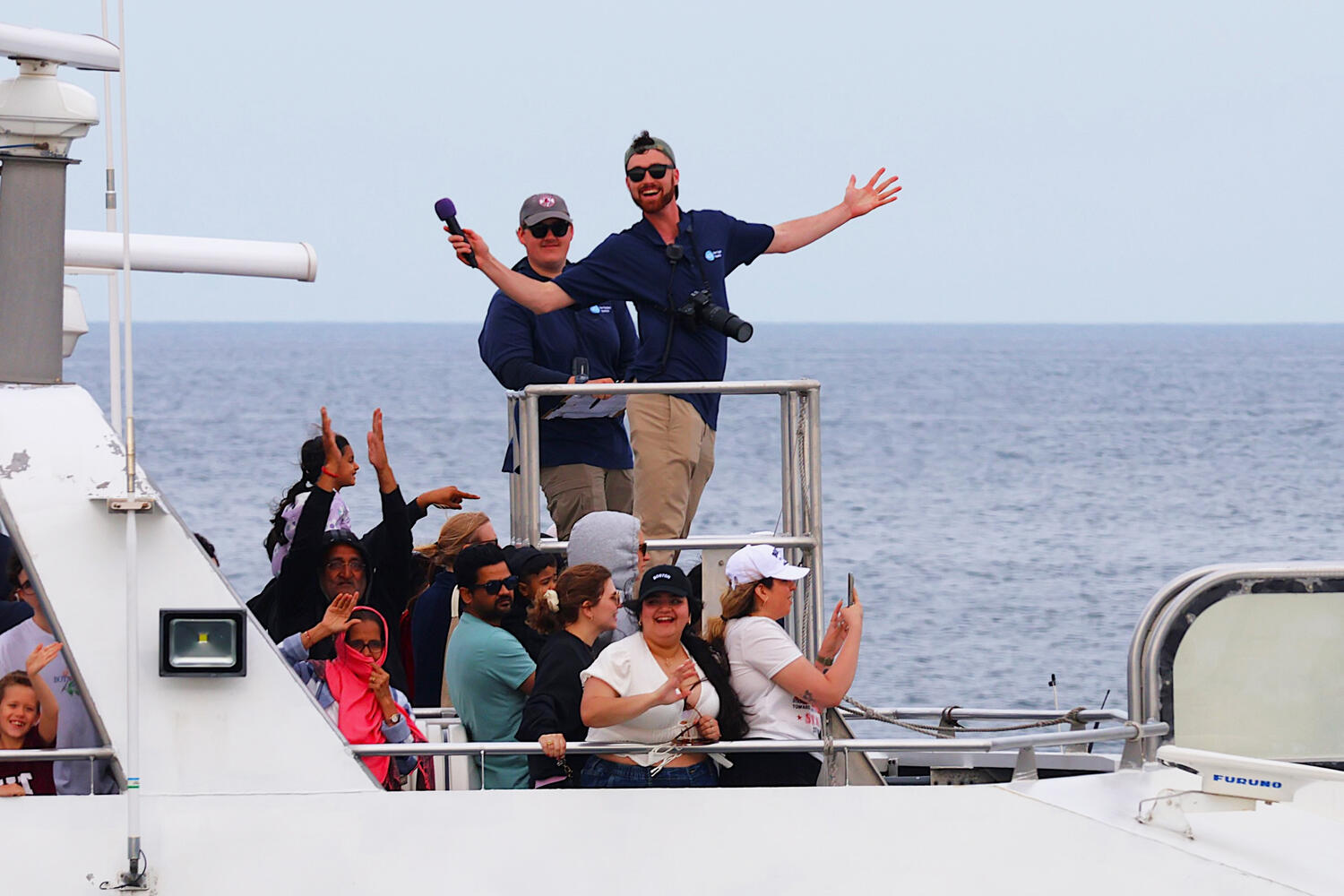
As a Marine Mammal Education and Research intern with the New England Aquarium, junior Aiden Perham, a Marine Biology major from Weymouth, Mass., spent his summer out on the open water. As part of the aquarium’s long-running Gulf of Maine population study, which spans nearly five decades of continuous whale observation, Perham contributed to vital data collection and conservation research aboard whale watch vessels.
Each trip out to Stellwagen Bank National Marine Sanctuary offered new opportunities to observe humpback whales in their natural habitat and record critical information on their behaviors, social groupings, and movement patterns. Perham assisted with documenting sightings by logging GPS coordinates, encounter durations, and behavioral changes. The data was submitted for review and inclusion in the broader research database managed by the aquarium’s partner, the Center for Coastal Studies.
“This summer, I gained a stronger understanding of data collection, fieldwork procedures, and how to engage effectively in field conversations,” Perham said. “These are skills I hope to carry forward in my career, especially in positions that allow me to conduct research out on the water, taking observations, collecting data, and gathering samples.”
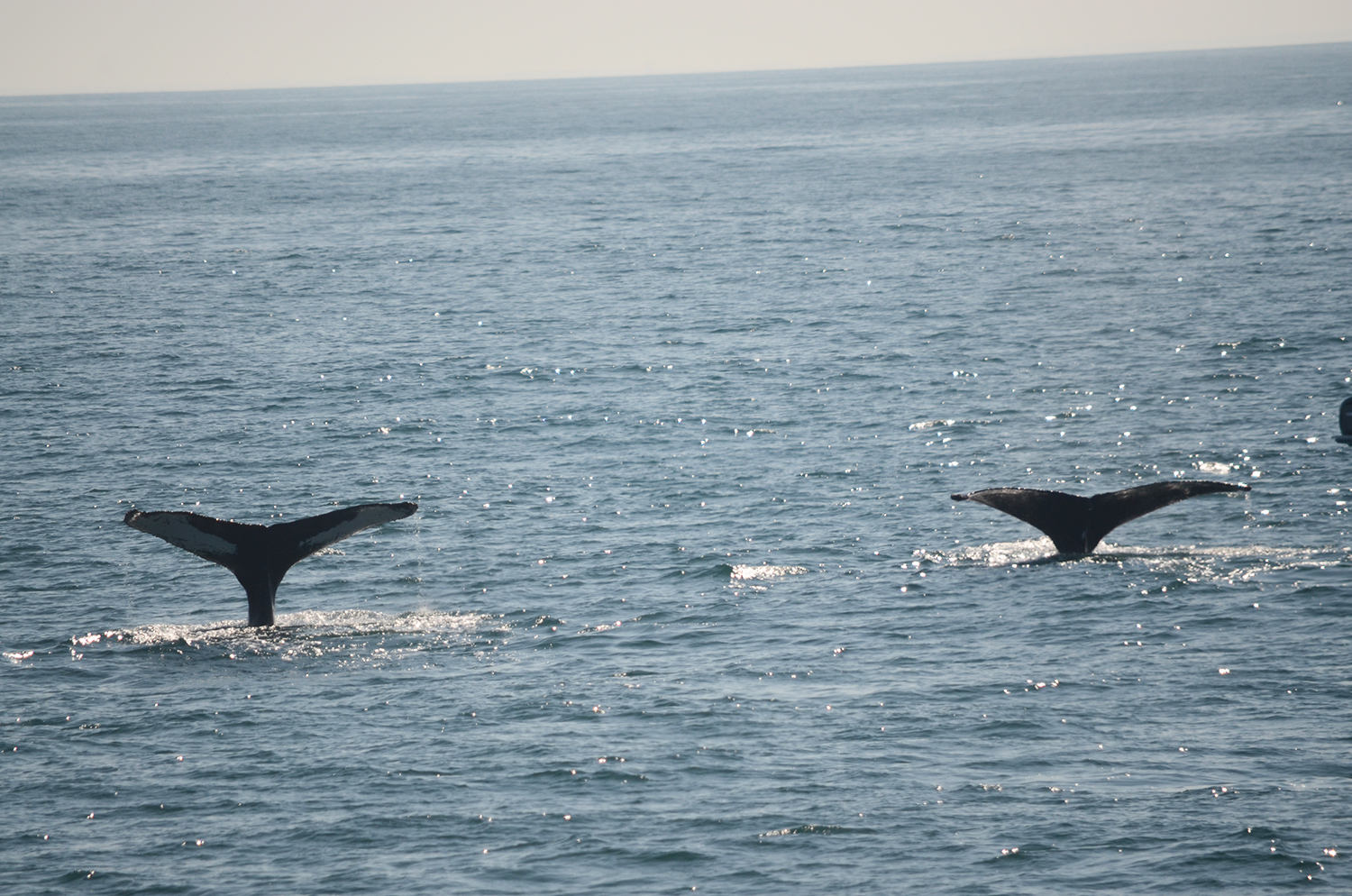
Among the highlights of his summer was meeting one of the sanctuary’s most legendary residents, Salt, the 43-foot matriarch humpback whale known as the “grande dame” of Stellwagen Bank. Believed to be around 60 years old, Salt was the first humpback whale to have her genome sequenced. Perham also recorded new observations of 33 previously identified whales, contributing valuable data to the ongoing population study.
Beyond the science, Perham also had the chance to engage the public directly for educational talks about whale behavior and conservation issues such as entanglement and vessel strikes. The experience, he said, deepened his understanding of how research and outreach work hand in hand to inspire marine conservation.
Exploring Next-Generation Electronic Systems
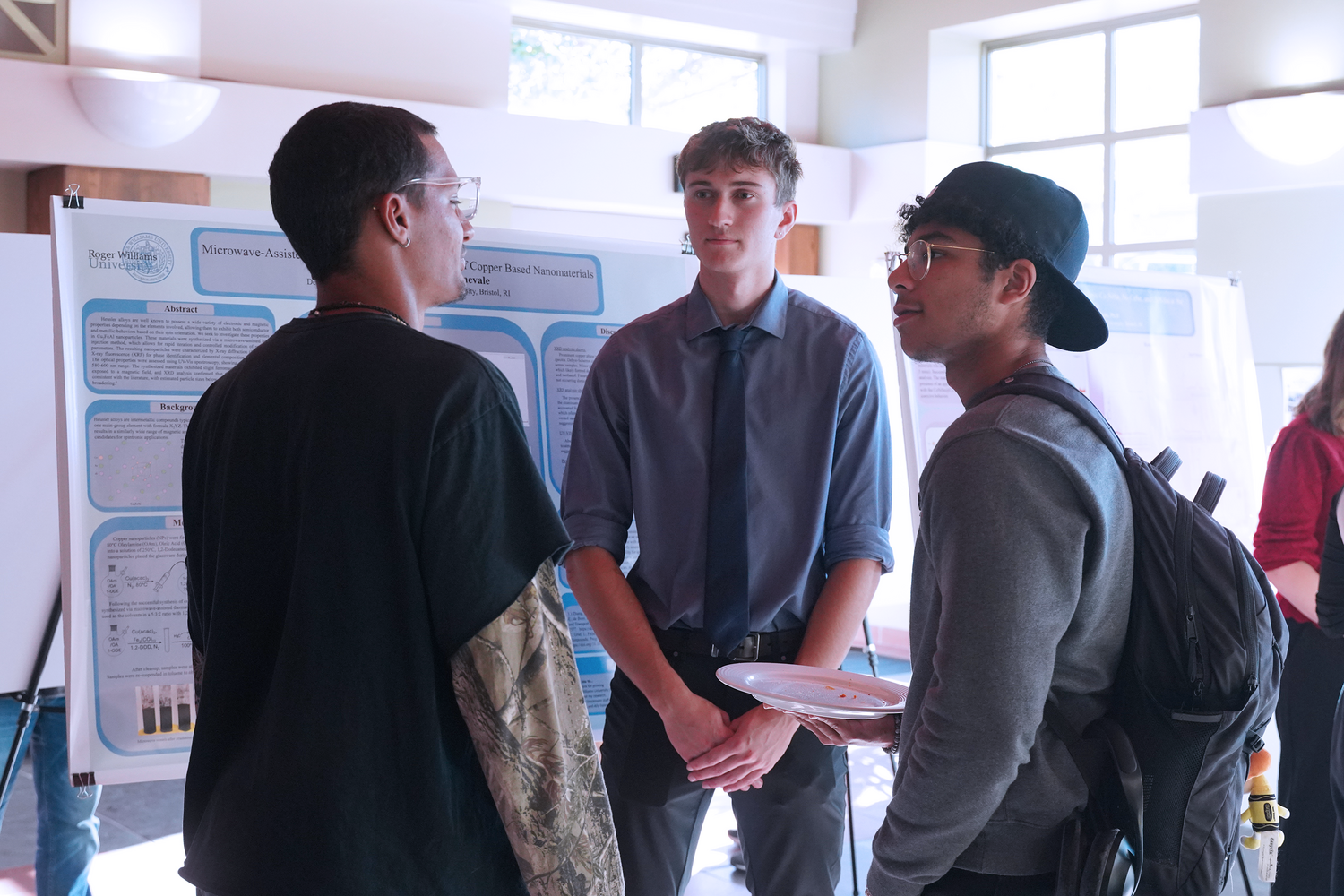
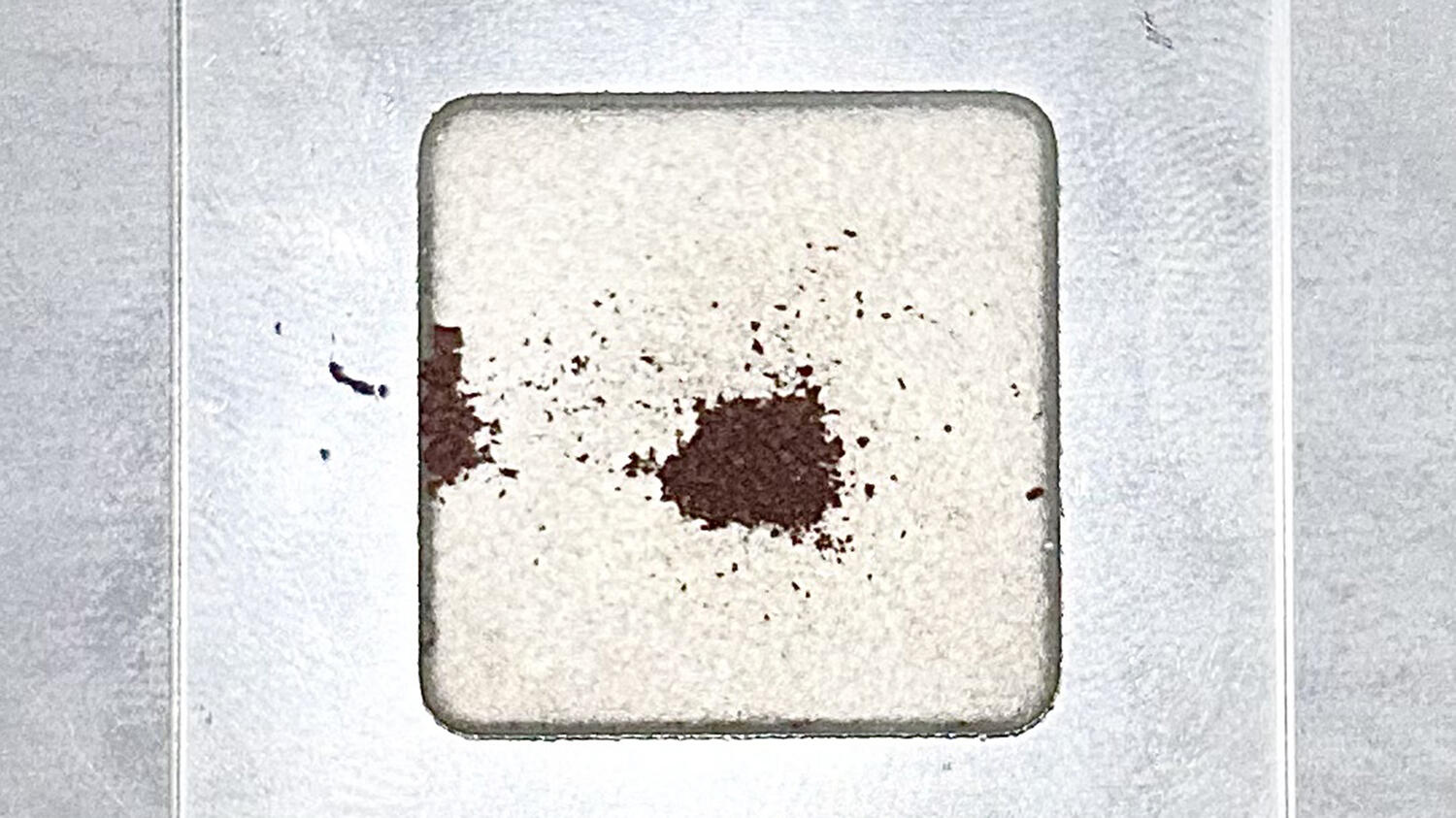
Senior Preston Sharrock, a Chemistry and Mathematics double major with minors in Computer Scienceand Psychology, explored cutting-edge electronic systems with his research on a copper-based system with 100% spin polarization.
In most electronics, information is stored and processed using electrons as either “on” or “off,” ones or zeros. Sharrock’s system introduces a third degree of freedom – spin – allowing devices to handle more information and store it more efficiently, without using extra power. This approach could make future electronics faster, more powerful, and reliable even in extreme or remote environments, like deep space or underwater.
Before building the full system, Sharrock first synthesized and studied copper nanoparticles to understand how they form and behave. He then developed a more complex system that lays the foundation for potential applications in spintronics, a field that leverages electron spin to improve electronics.
Sharrock’s RWU experience has been driven by the same curiosity that first inspired him as a kid in Branchville, N.J. to experiment with plant dyes and small circuits. That lifelong fascination with how things work evolved into a passion for chemistry, math, and computer science – disciplines he’s intentionally combined to prepare for a future career in government or defense research.
“Taking classes across different fields at RWU has shown me just how much overlap exists between areas that might seem unrelated,” Sharrock said. “That perspective helps me communicate more effectively across disciplines and connect with people from all walks of life.”
Sharrock said his interdisciplinary background gives him a stronger foundation for innovation and the tools to approach science from multiple angles. He says experiences like the Summer Research Showcase help him hone the communication and collaboration skills that are essential for the kind of work he hopes to pursue.
“Presenting at the showcase gives me three main things: practice, inspiration, and insight,” Sharrock said. “It’s great practice for the talks I’ll give at conferences. Seeing the incredible work other students are doing is always inspiring, and I hope to be that same inspiration for underclassmen. And every presentation brings new questions and ideas that often spark new directions for research.”