

Marine Biology Major
About the Marine Biology Major
Dive in! With direct access to the coastal environment, Marine Biology students can dive headfirst into the study of oceanography, marine ecology, fisheries biology, and more with hands-on, interdisciplinary training from expert faculty. This major is coordinated by the Department of Biology, Marine Biology, and Environmental Science.
QUICK LINKS
Marine Biology Program Facts

Real-World Opportunities
Marine Biology students participate in community-engaged projects and internships during their undergraduate studies, not to mention attending classes held on our boat in the Mt. Hope Bay!

Hands-On Research
Annually there are over 80 students conducting research with faculty or caring for marine animals in our wet labs. Students are encouraged to participate in research opportunities starting in their first year.

Placement of 2022 Grads
Our 2022 graduates found success in employment or graduate school within 6 months of graduation.
Marine Biology Degree Requirements
Marine Biology Expert Researches Marine Aquarium Trade
When the Associated Press investigated the global trade and the illegal practices sometimes used to catch ornamental fish, they turned to the leading expert on marine fish aquaculture, Andrew Rhyne, RWU professor of Marine Biology and aquarium research scientist, to explain the murky waters surrounding the ornamental fishing trade.
Watch a video of Andrew Rhyne explaining his work on the Associated Press website.
State-of-the-Art Facilities
With saltwater drawn straight from the bay, our shellfish hatchery and tropical fish aquaculture facility provide opportunities to pioneer research and technology development alongside faculty members. The Marine and Natural Sciences building is equipped with a Wet Lab, Shellfish Hatchery and Farm, Aquatic Diagnostic Laboratory, and a greenhouse. The Marine Biology Wet Lab, a 3,000-square-foot state-of-the-art research space, houses many undergraduate and faculty research projects as well as most of the RWU aquaculture projects, and offers many research and work-study opportunities for students. MNS houses advanced laboratory resources, including a confocal laser microscope, an epifluorescence microscope, a flow cytometer, a particle counter, thermal cyclers, controlled environmental chambers, and analytical chemistry instrumentation.


Real-World Learning in Marine Biology Major
The Rhode Island coast is an outstanding location for marine science education. Students have many opportunities to go into tidal areas along our beautiful coastline, and into the depths of Mount Hope Bay and Narragansett Bay. There they can directly experience our coastal ecosystem dynamics, including intertidal, tidal pool, salt pond, and barrier beach habitats, on the bay right on campus.
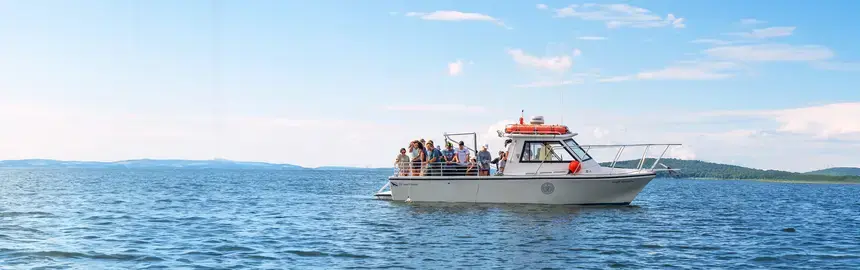
As part of a unique hands-on experience, an entire class can be taken on board RWU's experiential learning research vessel, the InVinceable Spirit, a 30-foot craft that's outfitted with cutting-edge coastal research equipment.
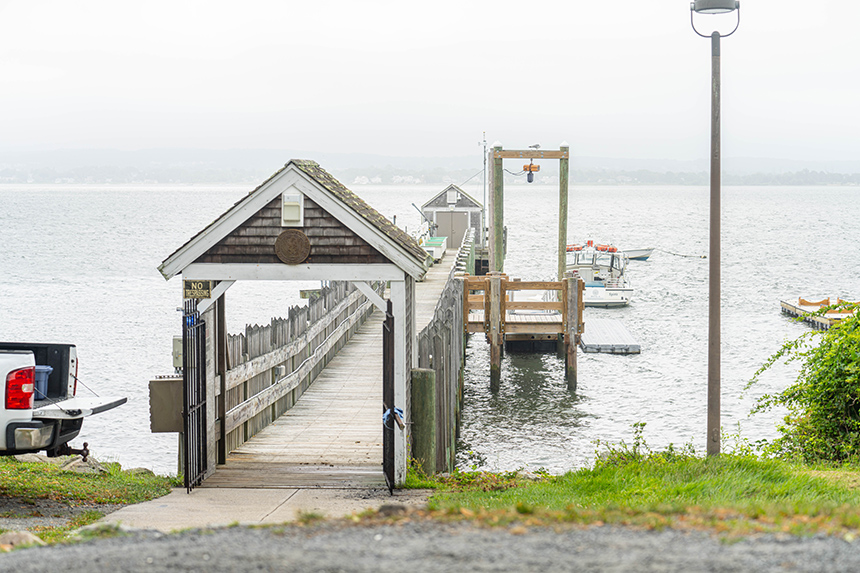
Extending 200 feet into Mount Hope Bay, RWU's Learning Platform provides students with direct access to the bay for water sampling and biological collecting. Used by classes and for research, the Learning Platform is also the launch site for the InVinceable Spirit. An upweller system for oysters and other bivalves is maintained there as well, for research by RWU's Shellfish Program.

Research in Marine Biology
Marine Biology majors explore the unique challenges faced by organisms living in the marine environment and the methods by which they meet these challenges. Students begin by obtaining a broad understanding of oceanographic principles, and through subsequent lectures, laboratories and field work, build on this knowledge for a more complete appreciation of the aquatic world. Undergraduate research is integrated into the Marine Biology curriculum, with opportunities for students to earn academic credit for doing research starting in their first year. Students develop proposals and compete for small grants to fund their projects, and to present their findings at regional, national and international conferences.
Recent student research projects include:
- Functional morphology of jellyfish
- Evolution and ecology of marine viruses
- Ecology of temperate corals and their microbiome
- Diagnostics of marine fish and shellfish diseases
- Marine ornamental fish and invertebrate aquaculture
- Shellfish aquaculture, ecology, and larval biology

From Research Scientist to App Developer
Gabrielle Baillargeon, RWU Class of 2020Ever since forging an original research project her freshman year, Gabrielle Baillargeon continues to surf a tidal wave of success.
Read full story
 "I got research experience as a freshman, which I wouldn't have gotten anywhere else. I had so much lab time and time personally with my mentors and professors that helped me gain a lot of confidence and independence in the lab. Getting a job and setting myself up for the future is a direct result of going to RWU."
 “Something so unique to Roger is we get to be super hands-on in our research as undergraduates. Being able to take part in world-class research is absolutely amazing. It’s definitely a highlight of Roger.”
  "I did undergraduate research looking at a specific kind of jellyfish that create currents in the water that bring food toward them when they swim. I looked at the speed of the currents they create, compared across species, and studied the fluid mechanics and how atoms move through water."
 Center For Economic and Environmental Development
As part of RWU’s emphasis on the Blue Economy at a local, regional, national, and global level, the Center for Economic and Environmental Development (CEED) focuses on collaborative marine research, industry support, marine education, public outreach, engagement, and extension. CEED addresses critical challenges facing human health and the coastal environment through education, research, outreach, and training. In CEED's research and student training, they extend the university’s educational resources by working with members of the coastal community to identify important marine resource issues, conduct applied scientific research in these areas, and share findings with stakeholders in the community, including federal and state agencies, nonprofits, local businesses and many other members of the community. The work of CEED currently focuses on four main program areas: Shellfish Program, Aquarium Science and Aquaculture, Aquatic Diagnostic Laboratory, and Temperate Coral Propagation and Microbial Ecology.

Narragansett Bay Estuary Program
RWU is the hub of the Narragansett Bay Estuary Program (NBEP), which is dedicated to the protection and improvement of vast watersheds, rich in coastal wildlife habitat, economic opportunities and recreational assets. Marine Biology students have access to NBEP scientists and help develop solutions for complex problems facing the people and coastal ecosystems of our region.

Internships and Experience
RWU students are prepared for highly competitive internships with leading marine and environmental research agencies and advocacy organizations. Our students have interned at organizations such as:
- New England, Mystic, & Baltimore Aquariums
- Save the Bay
- Audubon Society
- Center for Coastal Studies
- U.S. Environmental Protection Agency
- R.I. Department of Environmental Management
- Woods Hole Oceanographic Institution & Marine Biological Laboratory
To read more about our academic offerings, or to view full course descriptions, please refer to our University Catalog.
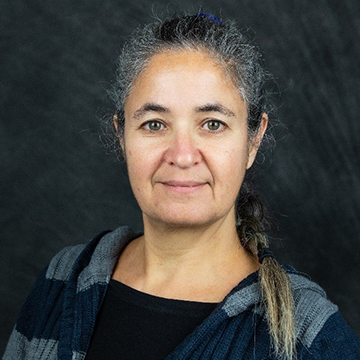
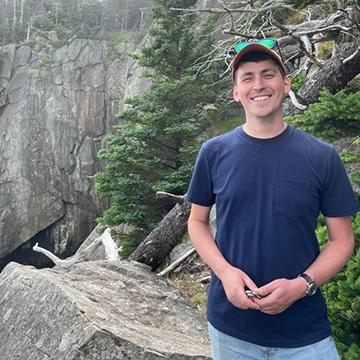
Faculty Experts in Marine Biology





Marine Biology in the News

Roger Williams University Expands Blue Fellows Program for Second Year of Ocean Innovation and Student Research
The annual fellowship initiative grows from seven to 10 fellows, introducing new partnerships to advance ocean research and the blue economy.

High School Students Step Into Real-World Research in RWU Labs
Portsmouth High School students explore coral research and biotechnology through hands-on learning led by Roger Williams University students and educators.

Roger Williams University Heads Reseeding Initiative to Strengthen Rhode Island’s Quahog Fisheries
RWU researchers and students partner with state and industry leaders to expand hatchery production, strengthen disease monitoring, and accelerate restoration of Rhode Island’s iconic quahog populations in Narragansett Bay.

RWU’s CEED Named Sole University Research Team for Rhode Island–Israel BlueTech & Aquaculture Committee
The international initiative connects Rhode Island and Israel through BlueTech innovation, positioning CEED as a key research resource for industry, startups, and government agencies.

Resilient R.I. State Coral Could Play Role in Saving Coral Reefs Amid Climate Change
Roger Williams University Professor Koty Sharp says the northern star coral could offer insights to help protect tropical reefs as ocean temperatures rise.